DMZ의 시간표 - The Timeline of the DMZ
분단의 역사 속에서 형성된 비무장지대의 현재
The Present of the Demilitarized Zone Shaped by Division
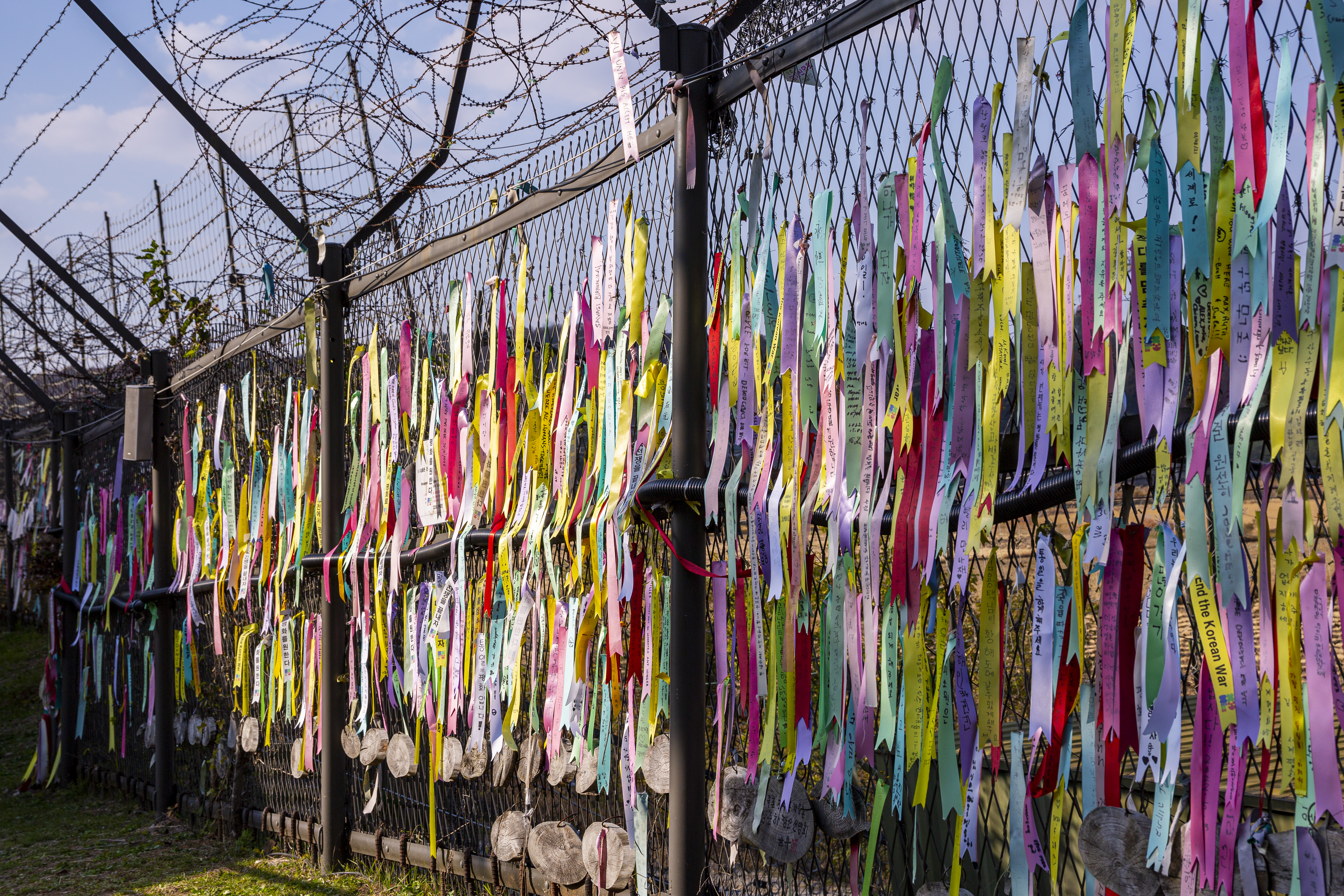
한반도의 분단을 가장 밀도 있게 보여주는 공간을 하나 꼽는다면, 단연 DMZ다.
지도 위의 선으로 이해하기에는 이곳이 품고 있는 시간이 너무 길고, 겹쳐진 의미가 너무 많다.
DMZ는 전쟁 이후 갑작스럽게 생겨난 장소가 아니다.
해방, 냉전, 전쟁, 정전, 그리고 수차례의 긴장과 완화 과정을 지나며 지금의 형태로 굳어졌다.
이 공간을 이해하려면, 사건의 나열이 아닌 시간의 흐름으로 바라볼 필요가 있다.
-
If there is one place that reveals the division of the Korean Peninsula most vividly, it is the DMZ.
Understanding this space as a simple line on a map is insufficient.
The DMZ contains layers of time—decades of history, conflict, and unresolved meaning.
The DMZ did not suddenly appear after the war.
It took shape through liberation, Cold War rivalry, armed conflict, armistice, and repeated cycles of tension and easing.
To understand the DMZ, it must be viewed not as a list of events, but through the flow of time.
1945

해방 이후, 분단의 조건이 형성되다 - Liberation and the Conditions of Division
일본의 패전으로 한반도는 해방을 맞았지만, 곧 미군과 소련군이 각각 남과 북에 진주했다.
이 시점부터 한반도는 국제 정치의 질서 속으로 편입됐고, 서로 다른 체제가 자리 잡을 토대가 만들어졌다.
분단은 이때부터 서서히 구조를 갖추기 시작했다.
-
Following Japan’s defeat, Korea was liberated.
Soon after, U.S. and Soviet forces entered the southern and northern parts of the peninsula.
At this moment, Korea became embedded in the emerging international order, and the foundations for two different systems began to form.
Division slowly started to take structural shape.
1948
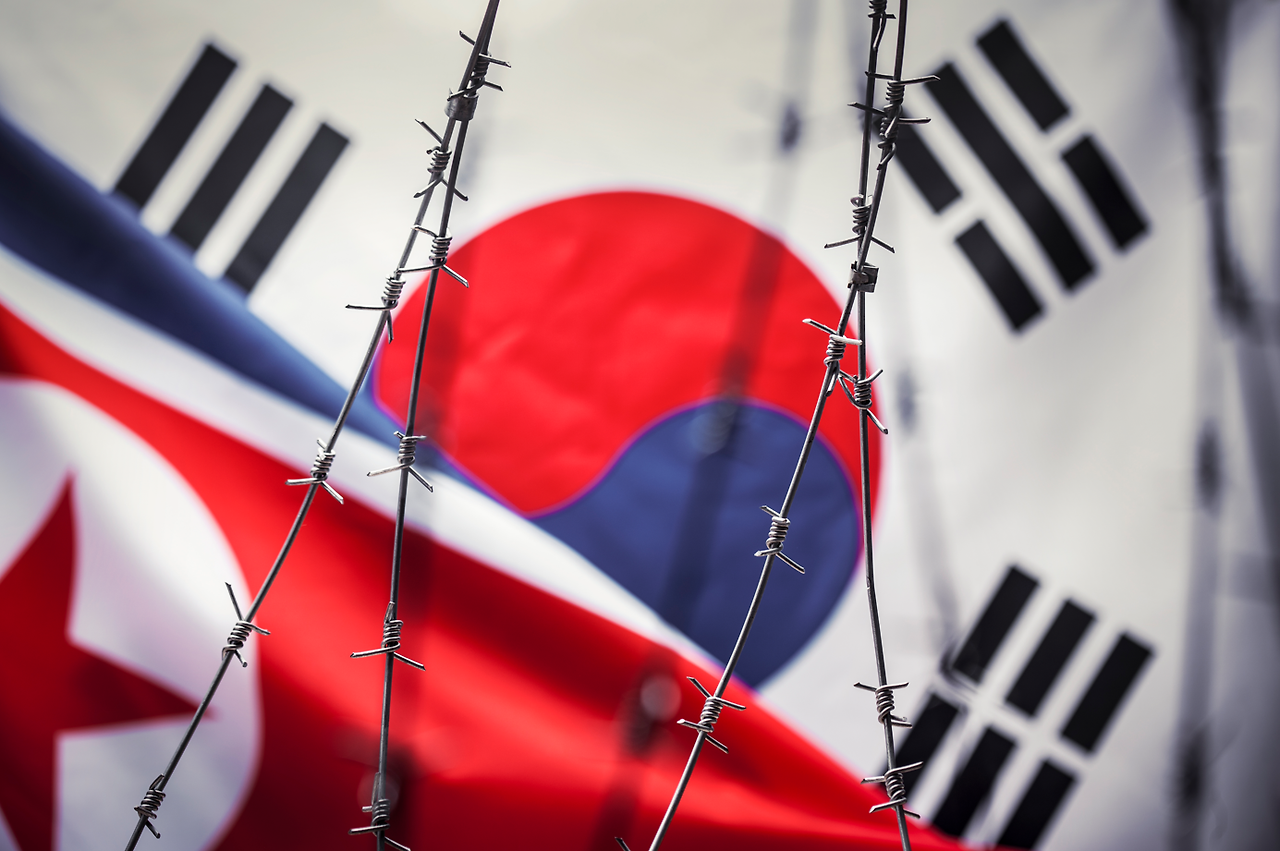
두 개의 정부, 하나의 땅 - Two Governments on One Peninsula
남과 북에 각각 정부가 수립되며 분단은 임시적 상태를 넘어 제도적 현실이 됐다.
서로 다른 체제와 이념은 한반도를 가로지르는 경계로 구체화됐고, 이후의 충돌 가능성도 함께 커졌다.
-
Separate governments were established in the South and the North.
What had seemed temporary became institutionalized.
Different political systems and ideologies hardened into a visible boundary across the peninsula, increasing the likelihood of confrontation.
1950–1953

전면전으로 남은 상처 - The Scars of Total War
1950년 6월 25일, 한국전쟁이 발발했다.
약 3년간 이어진 전쟁은 한반도 전역을 전장으로 만들었고, 수많은 인명 피해와 파괴를 남겼다.
이 전쟁은 분단을 되돌릴 수 없는 현실로 고착시키는 계기가 됐다.
-
On June 25, 1950, the Korean War broke out.
For nearly three years, the entire peninsula became a battlefield.
The war left immense human suffering and widespread destruction, fixing division as an irreversible reality.
1953
정전과 함께 설정된 DMZ - The Armistice and the Creation of the DMZ
1953년 7월 27일 정전협정이 체결되며, 군사분계선을 기준으로 남북이 각각 2km씩 물러섰다.
이렇게 형성된 약 248km 길이의 구간이 바로 비무장지대, DMZ다.
국제법상 군사 완충 지대로 지정된 이 공간은 전쟁을 멈추기 위한 최소한의 장치였다.
-
On July 27, 1953, the Armistice Agreement was signed.
Both sides withdrew their troops 2 kilometers from the Military Demarcation Line.
The result was a buffer zone approximately 248 kilometers long—the Demilitarized Zone, or DMZ.
Under international law, this space was designated to prevent the resumption of war.
1950년대 이후 (After the 1950s)
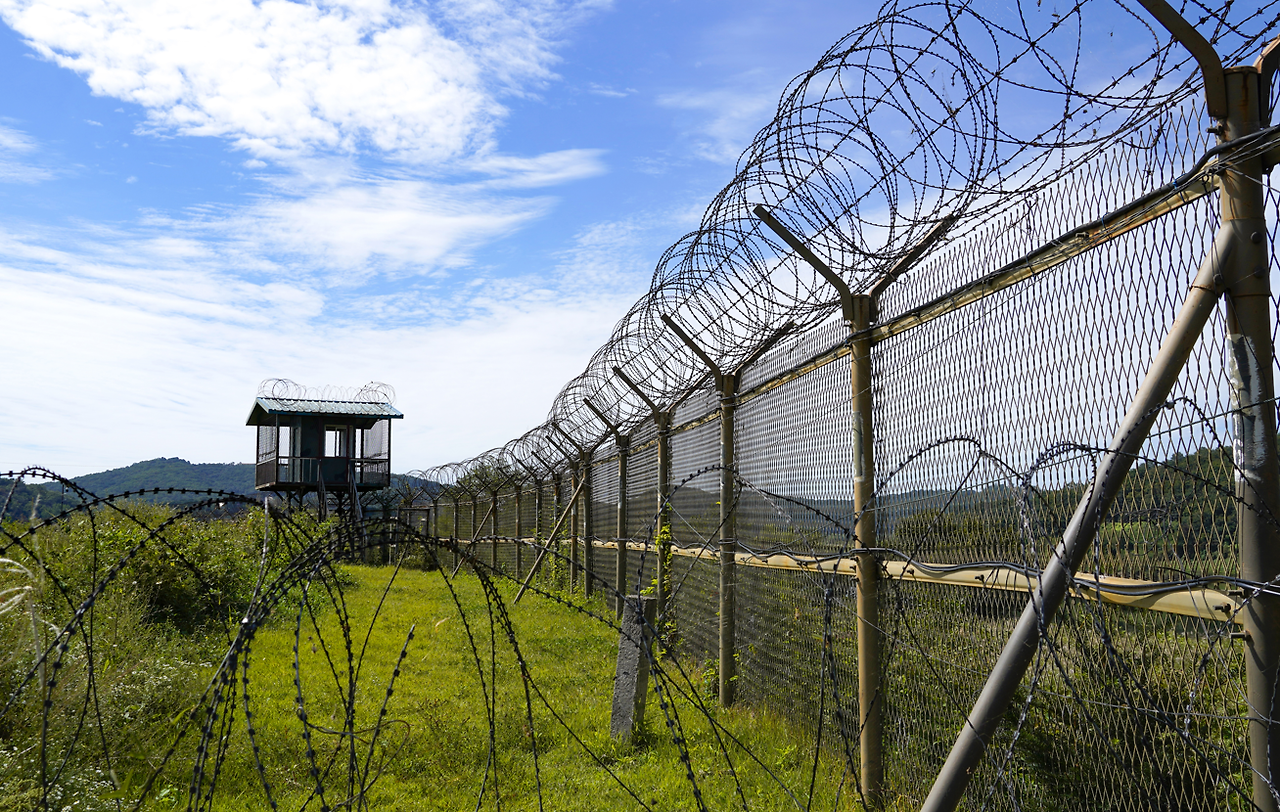
민간인통제선, 일상으로 확장된 분단 - The Civilian Control Line and the Expansion of Division
DMZ 남측 약 10km 지점에는 민간인통제선이 설정됐다.
군사적 경계는 생활 공간까지 영향을 미쳤고, 분단은 추상적인 개념이 아닌 현실의 조건으로 자리 잡았다.
-
A Civilian Control Line was established roughly 10 kilometers south of the DMZ.
Military boundaries extended into everyday life, and division became a lived condition rather than an abstract concept.
1960년대 이후 (From the 1960s)
냉전의 최전선이 된 비무장지대 - The DMZ as a Cold War Frontline
무장공비 침투와 군사 충돌이 반복되며 DMZ 일대에는 대규모 병력이 배치됐다.
명칭과 달리, 이곳은 긴장이 상시 유지되는 공간으로 굳어졌다.
DMZ는 상징적 완충 지대를 넘어 냉전의 전면에 놓이게 됐다.
-
Repeated armed infiltrations and military clashes led to heavy troop deployments around the DMZ.
Despite its name, the area evolved into a zone of constant tension.
The DMZ moved beyond symbolism and became a frontline of the Cold War.
1988
평화적 활용에 대한 첫 공식 제안 - The First Official Proposal for Peaceful Use
노태우 정부는 DMZ의 평화적 이용 구상을 공식적으로 제안했다.
이 시점부터 DMZ는 군사 공간을 넘어 정책적 논의의 대상이 되기 시작했다.
분단 관리의 공간에서 미래 구상의 공간으로 시선이 이동한 순간이었다.
-
The Roh Tae-woo administration formally proposed the peaceful utilization of the DMZ.
From this point, the DMZ began to be discussed as a policy subject rather than solely a military space.
Attention shifted from managing division to imagining future possibilities.
1991
제도적 완화를 향한 합의 - Institutional Steps Toward Easing Tensions
남북 기본합의서가 체결되며 긴장 완화와 교류 협력을 위한 제도적 틀이 마련됐다.
완전한 변화는 아니었지만, 대립 일변도의 구조에 균열이 생긴 시기였다.
-
The Inter-Korean Basic Agreement was signed, creating a framework for reducing tensions and promoting exchange.
Although change was limited, this marked a departure from a purely confrontational structure.
1990년대 후반–2000년대 (Late 1990s–2000s)
교류와 긴장이 공존하던 시기 - A Period of Coexistence Between Conflict and Exchange
금강산 관광, 철도 연결 시도, 개성공단 조성으로 DMZ는 새로운 역할을 갖기 시작했다.
대립과 협력이 동시에 작동하며, 이 공간은 단절과 연결의 경계로 기능했다.
-
Projects such as Mount Kumgang tourism, railway reconnection efforts, and the Kaesong Industrial Complex redefined the role of the DMZ.
The space functioned as a boundary where confrontation and cooperation existed side by side.
2010년대 이후 (From the 2010s to the Present)
다시 닫힌 문, 이어지는 재해석 - Closure and Continuing Reinterpretation
교류 사업이 중단되며 긴장은 다시 높아졌다.
그럼에도 DMZ를 평화와 공존의 가능성으로 해석하려는 논의는 현재까지 이어지고 있다.
DMZ는 여전히 하나의 의미로 고정되지 않은 공간이다.
-
With the suspension of exchange projects, tensions intensified once again.
At the same time, discussions framing the DMZ as a space of peace and coexistence have continued.
The DMZ remains a place whose meaning is not fixed.
분단의 선 위에 남은 질문
Questions That Remain on the Line of Division
DMZ와 같은 공간은 세계 어디에도 없다.
전쟁이 멈춘 자리, 대치가 유지되는 현실, 그리고 미래에 대한 상상이 동시에 겹쳐 있다.
지금도 DMZ는 한반도의 역사와 국제 질서, 그리고 평화에 대한 질문을 한곳에 담고 있다.
이곳을 바라보는 시선이 달라질수록, DMZ가 가진 의미도 계속 확장되고 있다.
-
No other place in the world resembles the DMZ.
A halted war, sustained confrontation, and visions of the future intersect here.
Even today, the DMZ contains the history of the Korean Peninsula, the dynamics of international order, and unresolved questions about peace.
As perspectives shift, the meaning of the DMZ continues to evolve.


평범한 한국 여행은 이제 그만!
코스모진 홈페이지에서 맞춤형 프리미엄 투어을 만나보세요
__________
Say goodbye to ordinary trips to Korea! Discover your personalized
premium tour on the Cosmojin website.
'DMZ' 카테고리의 다른 글
| DMZ는 그냥 갈수 있는 관광지가 아니다|방문 전 꼭 확인해야 할 운영 프로토콜 (1) | 2025.12.18 |
|---|---|
| 외국인 VIP를 모시는 기업이라면 반드시 고려해야 할 DMZ 의전 코스 (0) | 2025.12.18 |
| 한국에 방문한 외국인 관광객들은 DMZ에서 무엇을 사갈까? (0) | 2025.12.18 |
| 외국인 DMZ 투어, 판문점과 제3땅굴은 어떻게 다를까 (0) | 2025.12.17 |
| 외국인 관광 25년, 코스모진이 알려주는 DMZ 방문 필수 준비물 (0) | 2025.12.17 |


