DMZ 방문 전 반드시 알아야 할 기본 프로토콜
Essential Protocols to Know Before Visiting the DMZ
DMZ(비무장지대)는 한반도의 분단 현실과 평화의 가능성이 동시에 교차하는 공간이다.
한국전쟁 이후 군사적 완충 지대로 관리돼 왔으며,
오늘날에는 한국 현대사를 현장에서 체감할 수 있는 상징적인 장소로 인식되고 있다.
다만 DMZ는 일반 관광지와 동일한 방식으로 접근할 수 있는 곳은 아니다.
현재도 안보 관리 체계가 유지되는 구역인 만큼,
방문 전 절차와 현장 규정에 대한 이해가 안전하고 의미 있는 방문을 좌우한다.
이 글은 DMZ 방문을 앞둔 이들을 위해
방문의 의미와 현장 운영 기준을 중심으로 정리한 안내다.
-
The Demilitarized Zone (DMZ) is a space where the reality of division on the Korean Peninsula and the possibility of peace intersect.
Established after the Korean War, it has long been managed as a military buffer zone and is now widely recognized as a symbolic site where Korea’s modern history can be experienced firsthand.
However, the DMZ is not a place that can be approached in the same way as an ordinary tourist destination.
As an area where security management remains in effect, understanding access procedures and on-site regulations plays a decisive role in ensuring both safety and the quality of the visit.
This guide is designed for those planning a DMZ visit, outlining the meaning of the site and the operational standards applied on location.
DMZ 방문이 갖는 의미 - What a DMZ Visit Represents
DMZ 방문은 일정표에 포함된 하나의 관광 코스를 넘는다.
이곳은 한국전쟁, 냉전 구조, 분단 체제가 형성된 배경과 현재의 안보 환경이 동시에 작동하는 공간이다.
방문객들은 DMZ를 통해 다음과 같은 맥락을 자연스럽게 마주하게 된다.
- 한반도의 분단 구조를 공간적으로 인식
- 정전 체제가 여전히 유지되고 있음을 현장에서 체감
- 국제 정세 속에서 한국이 놓인 안보 현실 이해
- 장기간 인간의 접근이 제한되며 형성된 독특한 자연 환경 관찰
이러한 요소들이 복합적으로 작용하며,
DMZ는 세계적으로도 드문 성격의 관광 자원으로 평가받고 있다.
-
A visit to the DMZ goes beyond a single stop on a travel itinerary.
It is a space where the historical background of the Korean War, Cold War dynamics, and the division system operates alongside present-day security conditions.
Through a DMZ visit, travelers encounter several key contexts:
- Spatial awareness of the Korean Peninsula’s division
- Firsthand recognition that the Armistice system remains in effect
- Insight into Korea’s security reality within the global geopolitical environment
- Observation of a unique natural landscape shaped by decades of restricted human access
These elements combine to make the DMZ a globally rare and distinctive tourism asset.
DMZ 관광 프로그램의 구성 특징 - Characteristics of DMZ Tourism Programs
일반적인 DMZ 관광 프로그램은 서울 근교에서 당일 일정으로 참여할 수 있도록 설계돼 있다.
임진각 평화누리공원, 제3땅굴 등 주요 지점을 중심으로 구성되며
일정 부담이 비교적 크지 않은 것이 특징이다.
-
Most DMZ tours are designed as same-day trips from the Seoul metropolitan area.
They typically focus on major sites such as Imjingak Peace Park and the Third Infiltration Tunnel, offering relatively manageable schedules.
이런 방문객에게 적합하다
- 가족 단위 외국인 관광객
- 정치·외교·국제관계에 관심이 있는 방문객
- 상징성과 희소성을 중시하는 여행 성향
-
Suitable for:
- Family groups among international visitors
- Travelers interested in politics, diplomacy, and international relations
- Visitors who value symbolism and rarity in their travel experiences
사전에 고려할 점
- 일부 구역은 상황에 따라 접근이 제한될 수 있음
- 안보 관련 설명은 개요 중심으로 진행되는 경우가 많음
-
Points to consider:
- Access to certain areas may be restricted depending on conditions
- Security-related explanations are often provided at an overview level
DMZ 관광 운영 기준 - DMZ Operational Standards
일반 관광과 다른 ‘관리 구역’의 원칙
DMZ는 현재도 군사적 관리가 적용되는 안보 구역이다.
이에 따라 모든 방문은 사전 승인, 현장 통제, 행동 규정 준수를 전제로 운영된다.
아래 기준은 국적이나 방문 목적과 관계없이 동일하게 적용된다.
-
Principles of a Managed Security Zone
The DMZ remains an actively managed security area.
All visits operate under advance approval, on-site supervision, and strict behavioral guidelines.
The standards below apply equally regardless of nationality or purpose of visit.
1. 사전 승인 및 신원 확인 - Advance Approval and Identity Verification
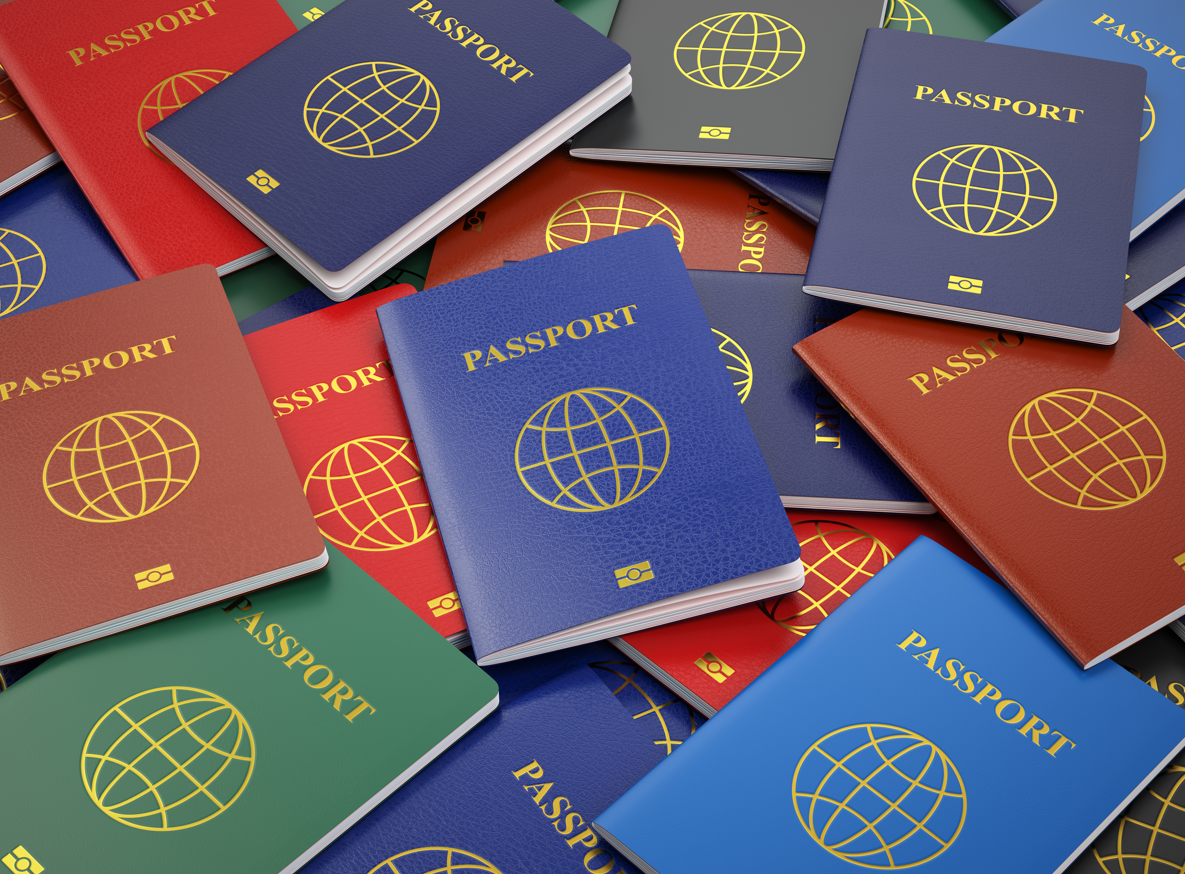
모든 방문은 사전 등록을 기반으로 진행된다.
- 참가자 정보 사전 제출 필수
(여권 기준 성명, 국적, 생년월일, 여권번호) - 외국인은 여권 원본 반드시 지참
- 일부 프로그램은 국적에 따라 추가 승인 절차 적용
사전 승인이 완료된 이후에만 일정이 확정되며,
당일 인원 변경이나 현장 합류는 원칙적으로 허용되지 않는다.
DMZ는 모든 출입 인원이 사전에 확인·관리되는 통제 구역이다.
-
All visits are conducted based on prior registration.
- Submission of participant information is mandatory
(Full name as per passport, nationality, date of birth, passport number) - Foreign visitors must carry their original passport
- Some programs require additional approval depending on nationality
Schedules are confirmed only after approval is granted.
Same-day participant changes or on-site additions are generally not permitted.
The DMZ is a controlled zone where all entrants are pre-verified and monitored.
2. 복장 및 외형 기준 - Dress Code and Appearance Standards

개인의 취향보다 현장 맥락이 우선된다.
- 단정한 복장 착용 필수
- 긴 바지와 소매가 있는 상의 권장
- 운동화 등 안정적인 신발 착용
다음과 같은 복장은 제한될 수 있다.
- 과도한 노출 또는 찢어진 의상
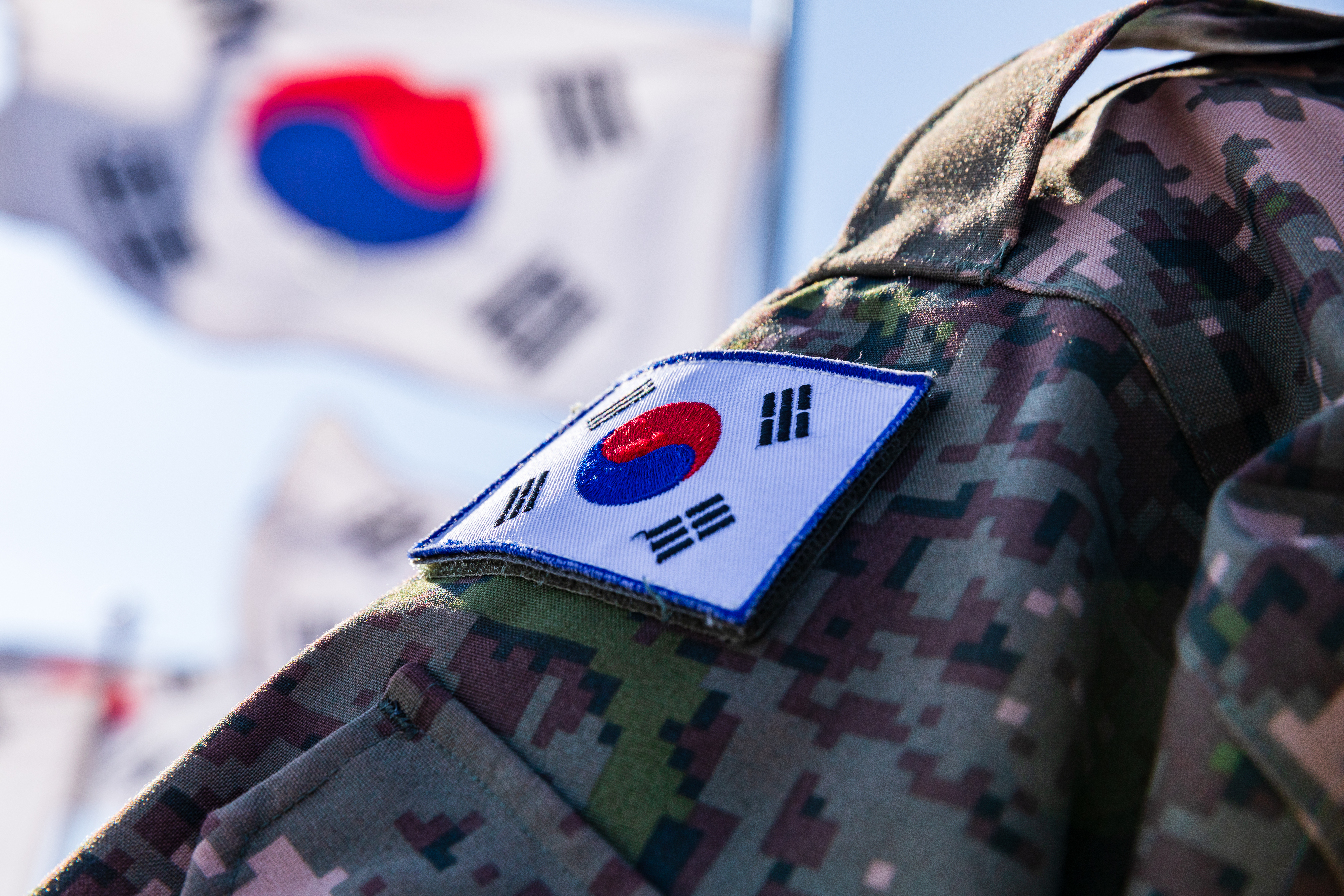
- 군복·위장무늬 복장
- 정치적·이념적 메시지가 드러나는 의류
DMZ에서의 외형은 개인 표현의 문제가 아니라,
안보 환경에 대한 존중의 기준으로 관리된다.
-
On-site context takes priority over personal preference.
- Neat attire is required
- Long pants and tops with sleeves are recommended
- Athletic or stable footwear is advised
The following may be restricted:
- Excessively revealing or torn clothing
- Military-style or camouflage-patterned apparel
- Clothing displaying political or ideological messages
Appearance within the DMZ is managed as a matter of respect for the security environment, not personal expression.
3. 이동 및 동선 관리 - Movement and Route Control
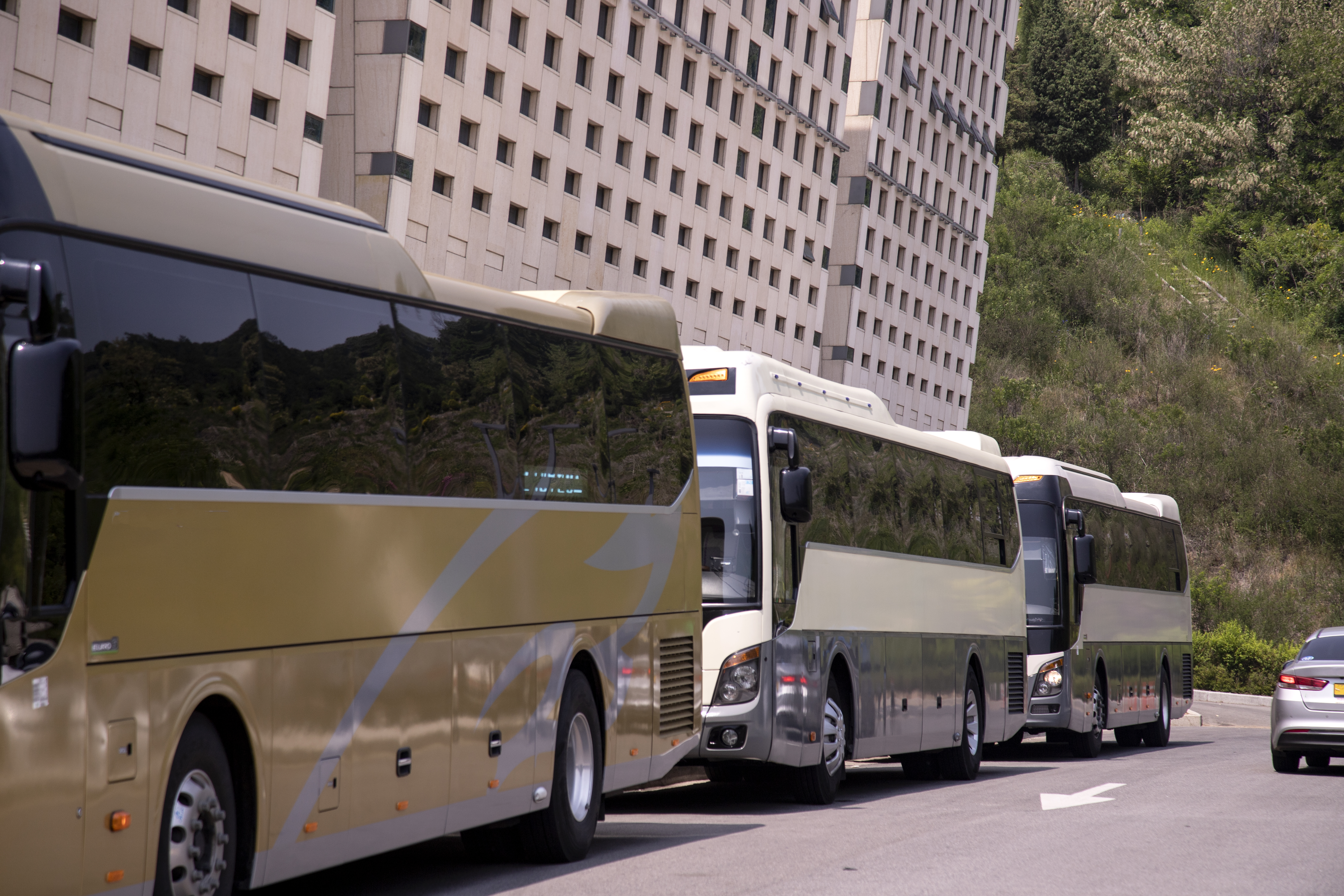
DMZ 내부에서는 자유 이동이 허용되지 않는다.
- 지정된 동선 외 이동 금지
- 가이드 및 안내 요원의 지시에 따른 집단 이동
- 허가되지 않은 구역 접근 시 즉각 제지
이동 수단 역시 지정된 차량만 이용 가능하며,
개별 차량 이동이나 임의 하차는 허용되지 않는다.
-
Free movement is not permitted within the DMZ.
- Movement outside designated routes is prohibited
- Group travel follows guide and staff instructions at all times
- Entry into unauthorized areas is immediately restricted
Only designated vehicles may be used.
Private vehicles or unscheduled disembarkation are not allowed.
4. 사진·영상 촬영 규정 - Photography and Video Regulations
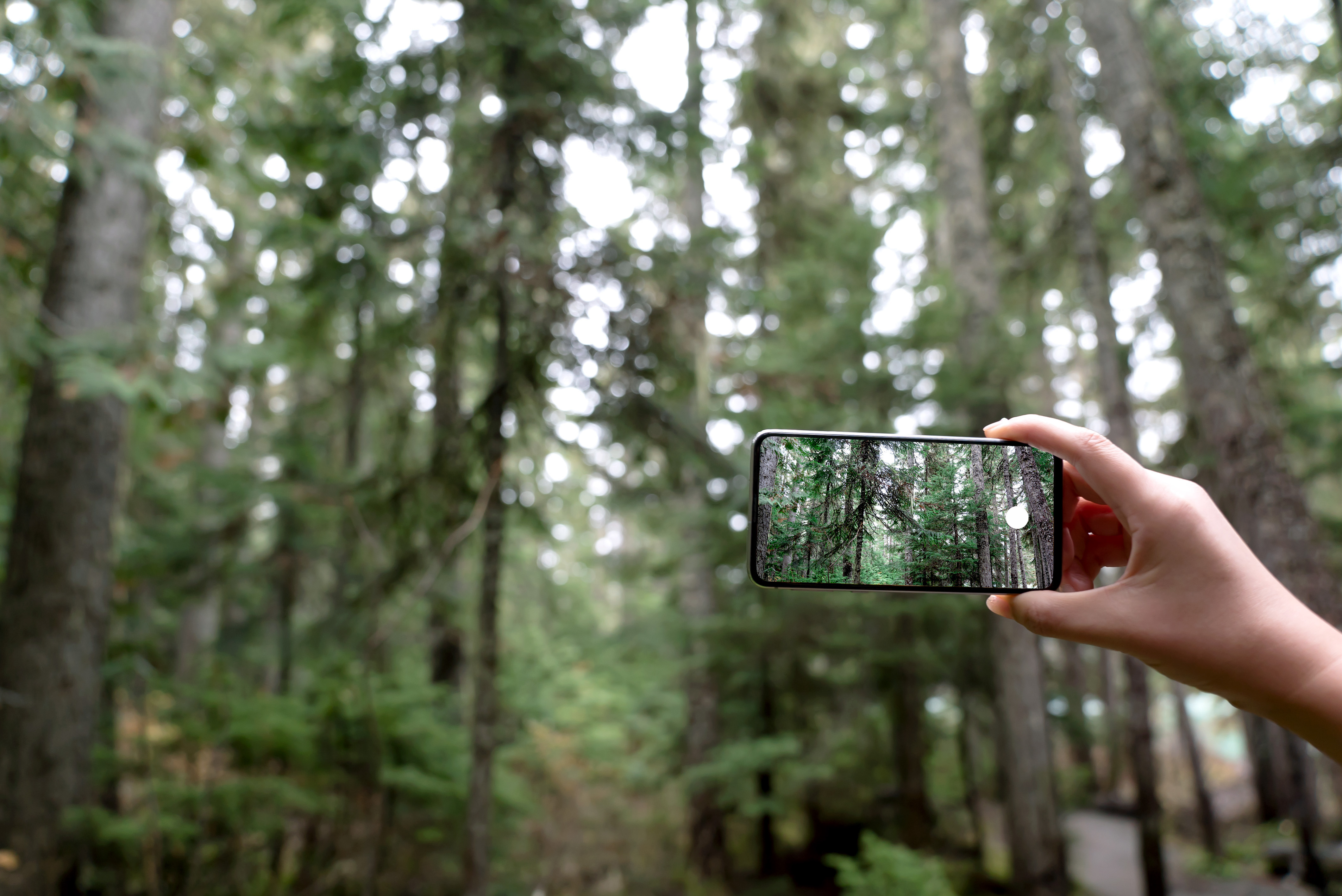
촬영은 허용 구역에서만 가능하다.
- 군사 시설, 초소, 병력, 장비 촬영 금지
- 일부 구역은 사전 승인 후 촬영 가능
- 언론·상업적 촬영은 별도 승인 절차 필요
DMZ에서의 촬영은 단순 기록 행위가 아니라,
안보와 직결되는 사안으로 관리된다.
-
Photography is permitted only in approved areas.
- Filming of military facilities, guard posts, personnel, or equipment is prohibited
- Some areas require prior approval for photography
- Media or commercial filming requires separate authorization
Photography within the DMZ is treated as a security-sensitive activity, not a casual record.
5. 현장 행동 기준 - On-Site Conduct Guidelines
모든 행동은 ‘관광객’이 아닌 ‘방문자’ 기준으로 판단된다.
- 안내 인력 지시 즉각 이행
- 정해진 시간 엄수
- 소란, 돌발 행동 자제
다음 행위는 엄격히 제한된다.
- 군사적 제스처나 정치적 발언
- 물품 투척, 손짓 등 북측을 향한 행동
- 음주·흡연·음식 섭취 제한 구역 위반
-
All behavior is evaluated under the standard of a “visitor,” not a tourist.
- Immediate compliance with staff instructions
- Strict adherence to schedules
- Avoidance of disruptive or spontaneous actions
The following are strictly prohibited:
- Military gestures or political statements
- Throwing objects or signaling toward the North
- Violations of restricted zones related to drinking, smoking, or eating
6. 비상 상황 대응 - Emergency Response Procedures

안전 관련 상황 발생 시 개인 판단은 허용되지 않는다.
- 현장 안내 요원의 지시 최우선 이행
- 즉각적인 이동 또는 대기 지침 준수
- 기상·군사 상황에 따라 일정 변경 또는 취소 가능
이는 방문객 보호를 위한 표준 운영 원칙에 해당한다.
-
In any safety-related situation, personal judgment is not permitted.
- Follow on-site staff instructions without exception
- Comply immediately with movement or waiting directives
- Schedules may be altered or canceled due to weather or security conditions
These measures are standard operational procedures designed to protect visitors.
절차를 이해할수록, DMZ는 더 선명해진다
DMZ에 적용되는 운영 기준은 방문을 제한하기 위한 장치가 아니다.
이 공간이 지금도 안보 관리 체계 안에 놓여 있음을 보여주는 현실적인 조건이다.
정해진 절차를 이해하고 따를수록, DMZ는 단순한 관광지가 아니라 한반도의 현재를 입체적으로 이해할 수 있는 장소로 다가온다.
사전 준비는 번거로운 과정이 아니라,
이 특별한 공간을 제대로 마주하기 위한 최소한의 출발점이다.
-
The More You Understand the Rules, the Clearer the DMZ Becomes
The protocols applied within the DMZ are not meant to limit visitors.
They reflect the reality that this space remains under active security management.
The more thoroughly these procedures are understood and respected,
the more the DMZ reveals itself—not as a simple tourist destination,
but as a place where the present realities of the Korean Peninsula can be understood in depth.
Preparation is not an inconvenience.
It is the essential starting point for engaging meaningfully with one of Korea’s most distinctive spaces.


평범한 한국 여행은 이제 그만!
코스모진 홈페이지에서 맞춤형 프리미엄 투어을 만나보세요
__________
Say goodbye to ordinary trips to Korea! Discover your personalized
premium tour on the Cosmojin website.
'DMZ' 카테고리의 다른 글
| 외국인 VIP를 모시는 기업이라면 반드시 고려해야 할 DMZ 의전 코스 (0) | 2025.12.18 |
|---|---|
| 한국에 방문한 외국인 관광객들은 DMZ에서 무엇을 사갈까? (0) | 2025.12.18 |
| 외국인 DMZ 투어, 판문점과 제3땅굴은 어떻게 다를까 (0) | 2025.12.17 |
| 외국인 관광 25년, 코스모진이 알려주는 DMZ 방문 필수 준비물 (0) | 2025.12.17 |
| 한국전쟁 이후 DMZ는 어떻게 만들어졌을까? 비무장지대의 역사 (0) | 2025.12.17 |


