2026 서울 여행 트렌드, ‘관광’이 사라지고 있다
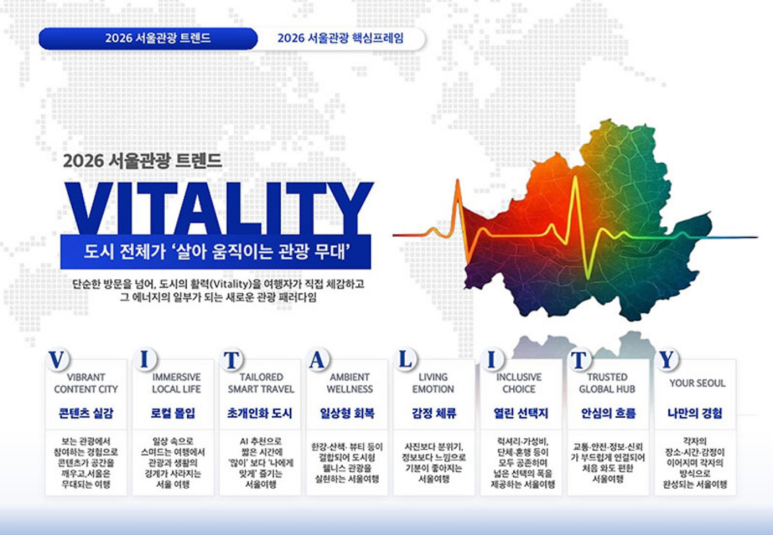
서울은 이제 관광지가 아니다
하루를 ‘살아보는 도시’로 바뀌고 있다
서울 여행 방식이 바뀌고 있다.
2026년 정부는 ‘3000만 관광객 시대’를 목표로 제시했고,
서울관광재단 역시 “서울 전체를 하나의 거대한 관광 무대로 만들겠다”는 방향을 선언했다.
이 변화의 핵심 키워드는 VITALITY다.
예전에는 명소를 얼마나 많이 방문했는지가 중요했다면,
지금은 그 도시를 어떻게 경험했는지가 더 중요해졌다.
이 변화는 단순한 트렌드가 아니다.
서울 관광의 방향 자체가 바뀌고 있다는 신호다.
특히 최근 몇 년 사이,
서울은 ‘방문하는 도시’에서 ‘머무르며 체험하는 도시’로 이동하고 있다.
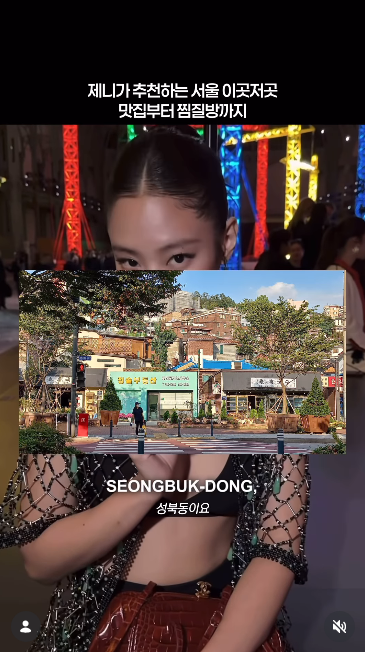
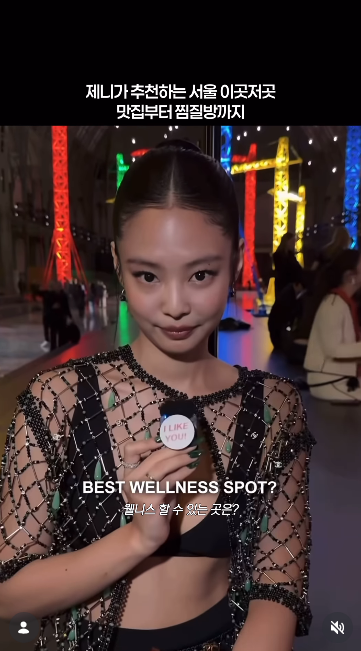
이러한 흐름은 최근 제니가 언급한 서울의 장소들에서도 드러난다.
명소 중심의 동선이 아닌, 일상과 감각을 중심으로 구성된 선택이었다.
-
Seoul Is No Longer Just a Tourist Destination
It’s a City You Experience — Even Live In for a Day
The way people travel in Seoul is changing.
In 2026, the Korean government set a goal of welcoming 30 million visitors,
while the Seoul Tourism Organization announced a clear direction:
to transform the entire city into one large, immersive tourism stage.
At the center of this shift is one keyword — VITALITY.
In the past, travel was about how many landmarks you visited.
Now, it’s about how you experience the city itself.
This is not just a trend.
It signals a fundamental shift in how Seoul is being explored.
In recent years, Seoul has been moving
from a city you “visit” to a city you “stay in and experience.”
And one example captures this change perfectly —
the places Jennie mentioned when talking about Seoul.
왜 지금 서울 여행이 달라지고 있을까
Why Is Seoul Travel Changing Now?
2026년을 기준으로 서울 관광은 분명한 전환점에 있다.
단순히 관광객 수를 늘리는 것이 아니라,
도시 전체를 경험형 콘텐츠로 확장하는 방향으로 움직이고 있다.
핵심은 하나다.
👉 명소 중심 → 경험 중심
이제 여행자는 장소를 소비하는 것이 아니라
그 공간 안에서 어떤 시간을 보내고, 리듬을 느끼고, 하루를 구성하는지 이다.
-
As of 2026, Seoul tourism has clearly reached a turning point.
The focus is no longer just increasing visitor numbers,
but expanding the entire city into an experience-driven environment.
The shift can be summarized in one line:
👉 From destination-based travel → to experience-based travel
Travelers are no longer simply visiting places.
They are spending time, feeling the rhythm, and shaping their own day within the city.
제니가 선택한 장소가 의미하는 것
What Jennie’s Picks Really Mean
로그인 • Instagram
www.instagram.com
성북동, 한강, 찜질방, 신라호텔.
이 선택들은 관광 코스라기보다, 서울을 소비하는 하나의 방식에 가깝다.
장소를 나열한 것이 아니라, 경험의 결이 이어진다.
그 안에는 분명한 공통점이 있다.
👉 관광지가 아니다
👉 생활에 가까운 공간이다
이 지점이 중요하다.
-
Seongbuk-dong, the Han River, jjimjilbangs, and The Shilla Hotel.
These are not just personal recommendations.
They represent how Seoul is being experienced today.
They share one key characteristic:
👉 They are not typical tourist attractions
👉 They are spaces connected to everyday life
This is the critical point.
성북동 — 도시의 속도를 낮추는 경험
Seongbuk-dong — Where the City Slows Down
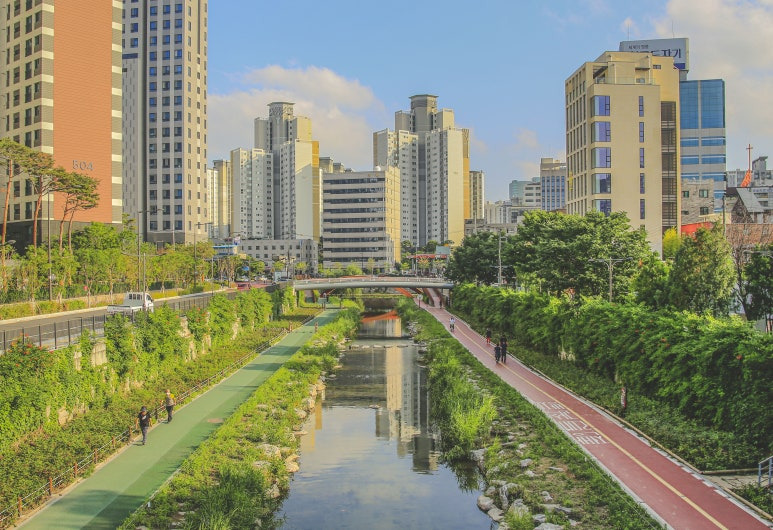
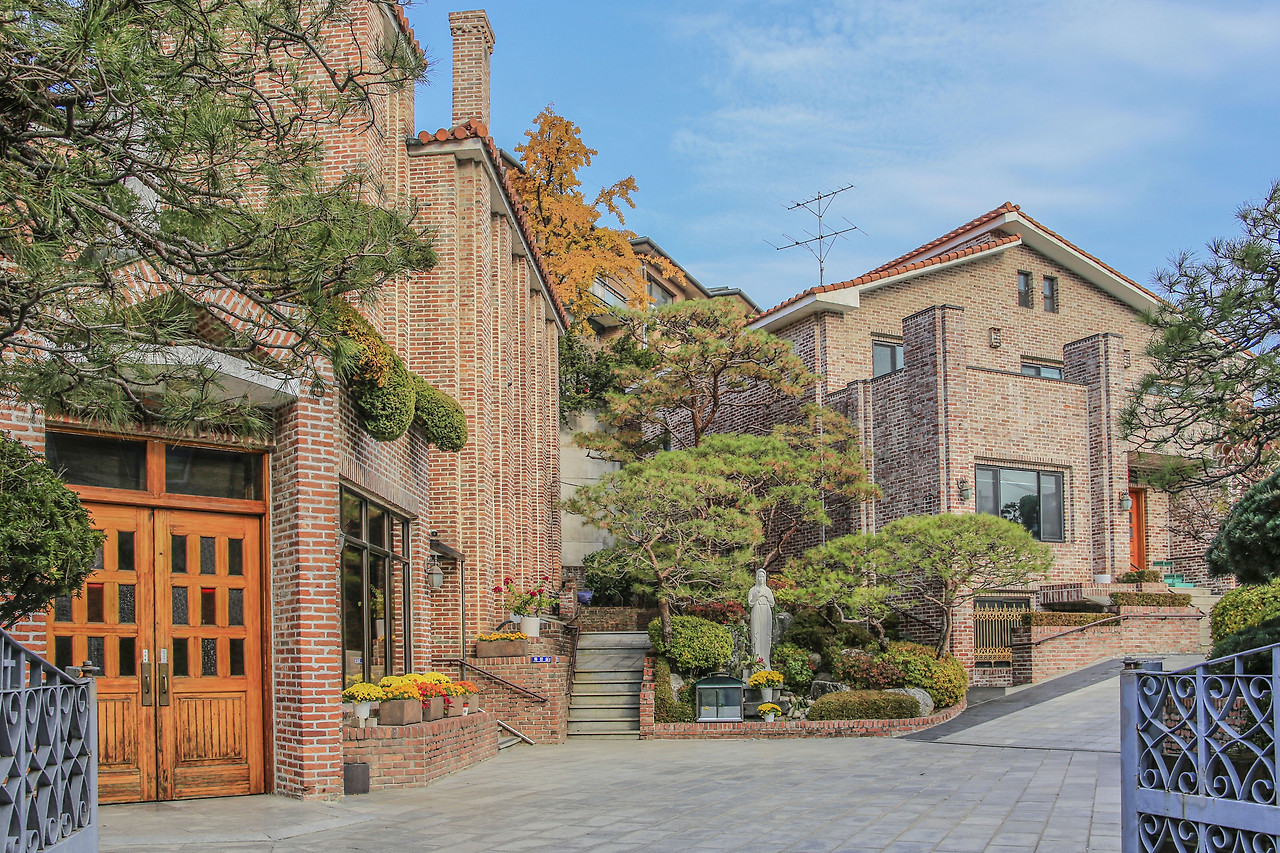
서울에서 ‘조용함’을 느낄 수 있는 몇 안 되는 동네다.
대사관저, 오래된 주택, 골목길, 산으로 이어지는 길
이 모든 요소가 겹치면서 도시의 템포가 느려진다.
이곳에서는 특별한 활동이 필요 없다.
걷는 것만으로도 도시가 다르게 느껴진다.
또한 레스토랑과 카페 역시
화려함보다 ‘공간의 분위기’를 중심으로 설계되어 있어
식사 자체가 하나의 경험으로 확장된다.
👉 이곳은 서울을 소비하는 공간이 아니다
👉 서울을 이해하기 시작하는 출발점이다
-
Seongbuk-dong is one of the rare places in Seoul
where you can truly feel a slower pace.
Embassies, historic homes, quiet alleys, and mountain paths
come together to create a completely different rhythm.
No special activity is required.
Simply walking changes how the city feels.
Restaurants and cafés here focus on atmosphere rather than spectacle,
turning dining into an experience rather than just a meal.
👉 This is not where you consume Seoul
👉 It is where you begin to understand it
한강 — 서울을 가장 빠르게 체감하는 방법
The Han River — The Fastest Way to Feel Seoul
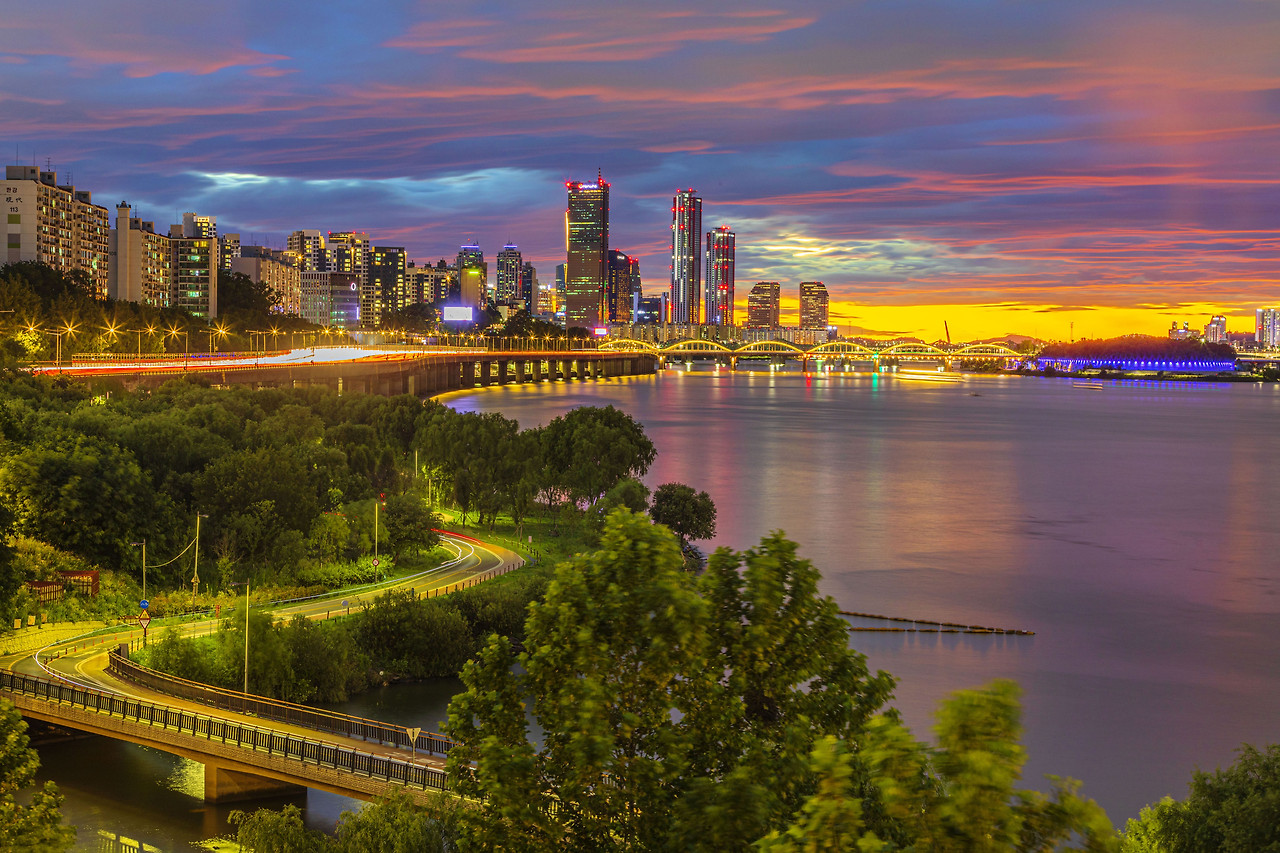
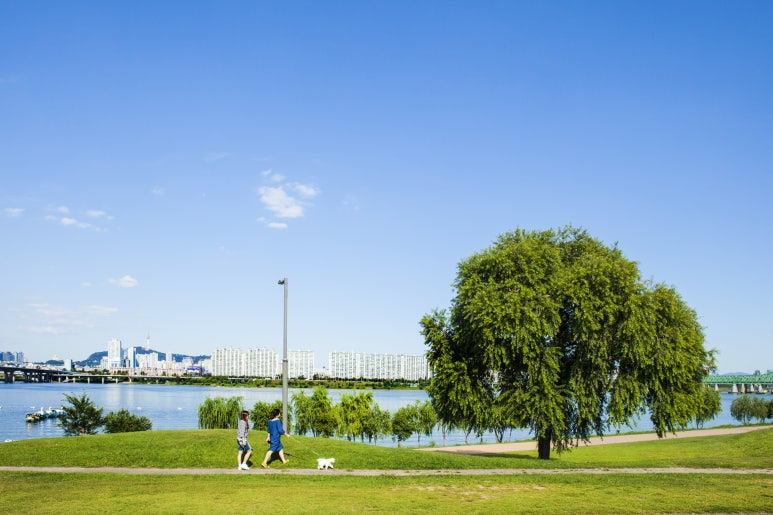
한강은 관광지가 아니라
서울의 생활 방식이 그대로 드러나는 공간이다.
돗자리를 펴고 앉아 시간을 보내고,
자전거를 타고 이동하고,
해 질 무렵 노을을 바라보는 경험
이 모든 과정은 설명 없이도
도시를 직관적으로 이해하게 만든다.
특히 중요한 포인트는 이것이다.
👉 이 공간은 관광객을 위한 곳이 아니다
👉 실제 시민이 사용하는 공간이다
그래서 더 강하게 기억에 남는다.
-
The Han River is not a tourist spot.
It is where Seoul’s daily life unfolds.
Laying out a picnic mat,
cycling along the river,
watching the sunset—
These moments require no explanation.
They naturally help you understand the city.
What makes it special is this:
👉 It’s not built for tourists
👉 It’s a space used by locals
That’s why it stays with you.
외국인 관광객 특성별 추천 한강 코스
- 처음 방문, 피크닉을 준비하는 외국인 관광객 → 여의도 한강공원
- 야경과 분위기를 원하는 외국인 관광객 → 반포 한강공원
- 활동적인 경험주의 외국인 관광객 → 뚝섬 한강공원
-
Where to Go Along the Han River
- First-time visitors / picnics → Yeouido Hangang Park
- Night views and atmosphere → Banpo Hangang Park
- Active experiences → Ttukseom Hangang Park
찜질방 — 몸으로 이해하는 한국 문화
Jjimjilbang — Experiencing Korean Culture Through the Body
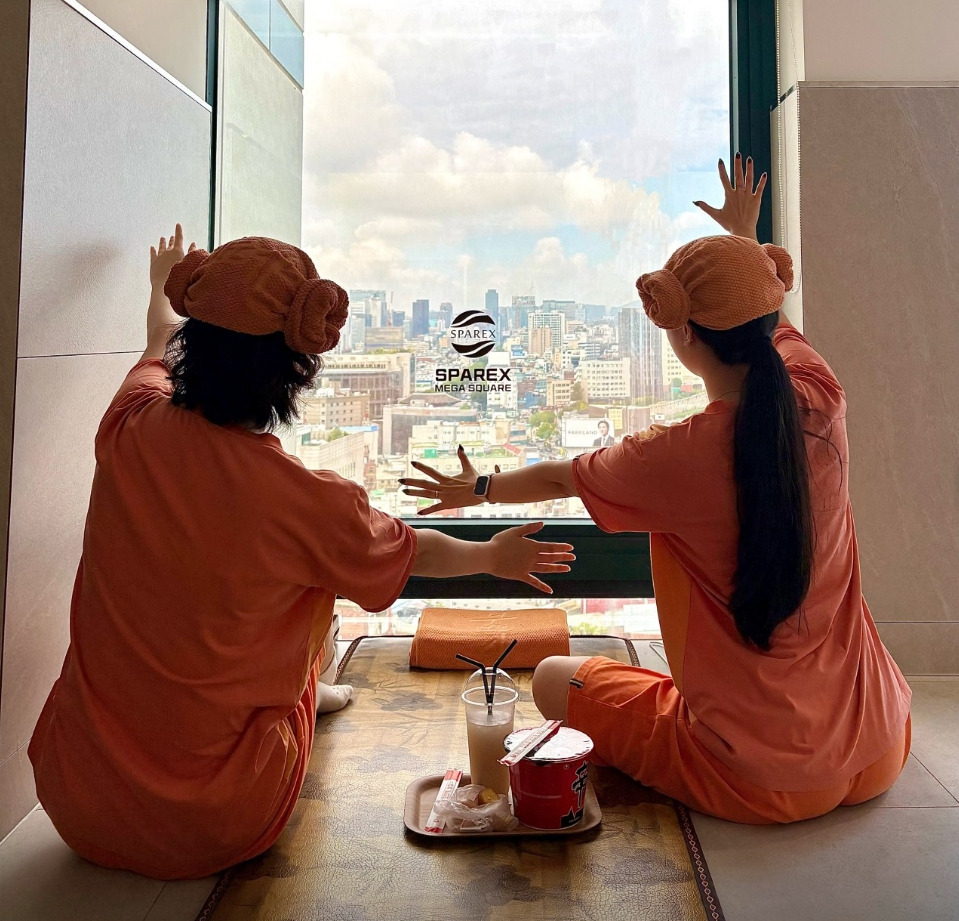
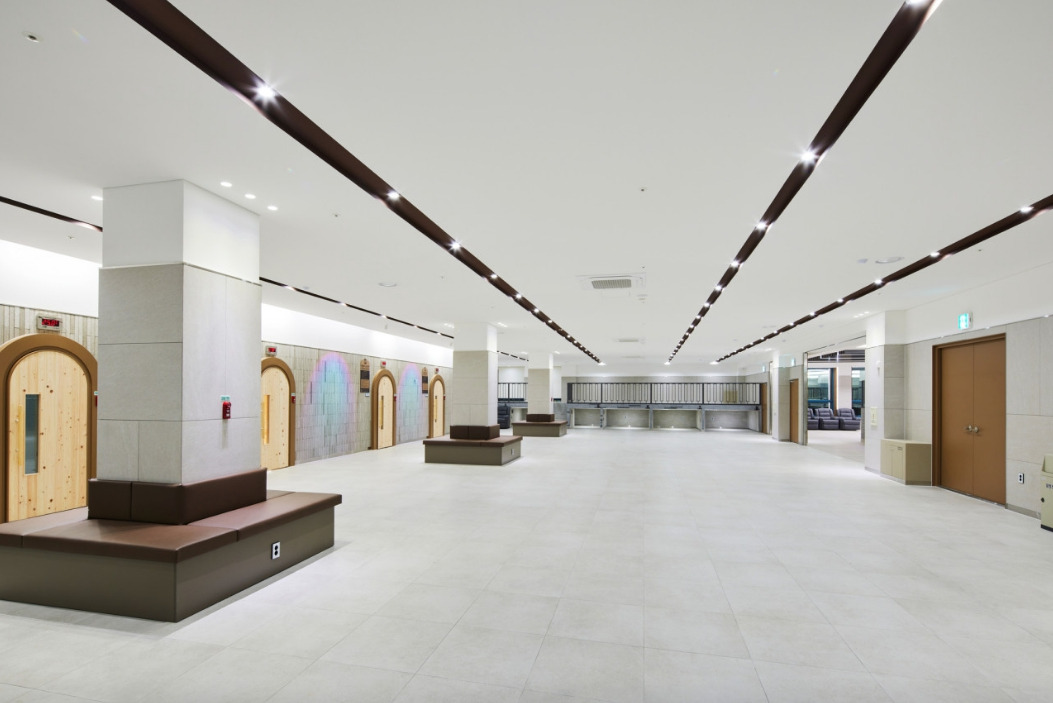
찜질방은 설명으로 이해하기 어려운 공간이다.
신발을 벗고, 옷을 갈아입고,
뜨거운 방과 차가운 방을 오가며
몸의 리듬을 바꾸는 과정
이 경험은 단순 체험을 넘어
문화에 직접 들어가는 방식에 가깝다.
특히 시각 중심의 관광과 달리
온도, 촉감, 냄새까지 모두 작용한다.
👉 보는 콘텐츠가 아니라
👉 몸으로 기억되는 경험이다
-
A jjimjilbang is not something you can fully understand through explanation.
Taking off your shoes, changing clothes,
moving between hot and cold rooms,
and resetting your body’s rhythm—
This is more than an activity.
It is a form of cultural immersion.
Unlike visual-based tourism,
this experience engages temperature, texture, and even scent.
👉 It’s not something you watch
👉 It’s something you physically experience
목적별 찜질방 추천
- 외국인 친화적 환경 → 동묘 스파렉스
- 복합 스파 체험 → 씨랄라 워터파크
- 로컬 분위기 → 동네 찜질방
-
Jjimjilbang Recommendations
- Foreigner-friendly → Dongmyo Sparex
- Resort-style spa → SeaLaLa Waterpark
- Local vibe → Neighborhood jjimjilbangs
지금 서울의 미식은 ‘경험’으로 이동하고 있다
Seoul’s Food Scene Is Becoming an “Experience”
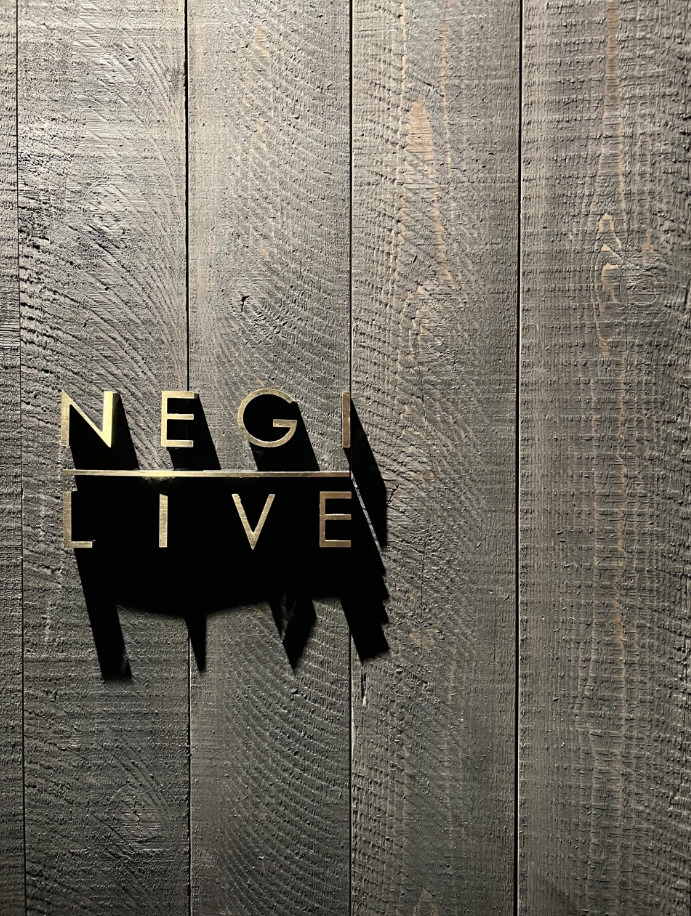
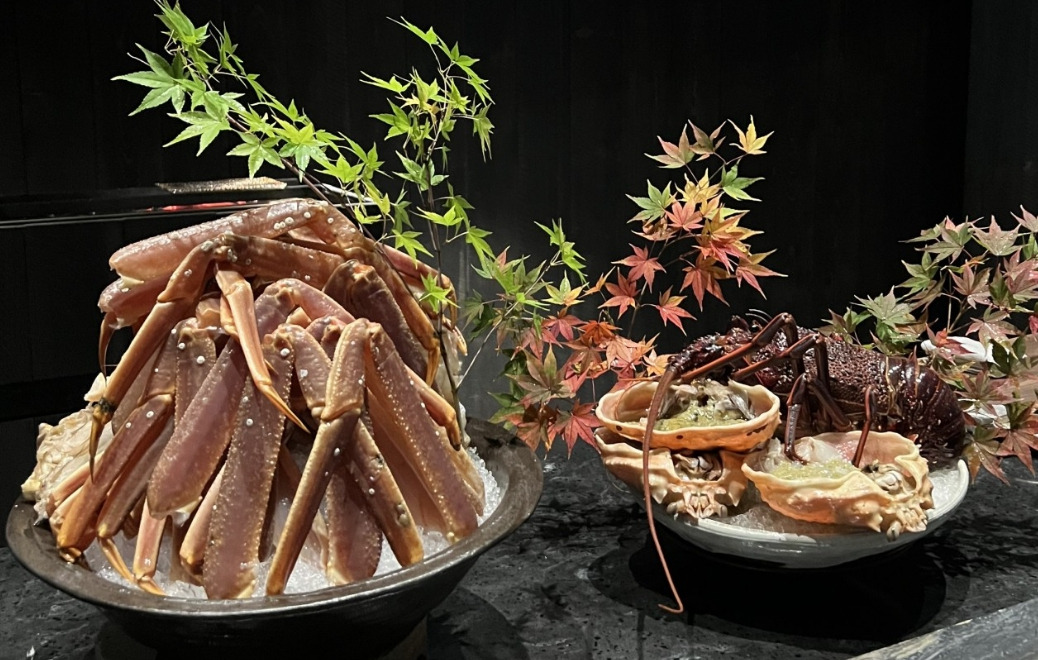
최근 서울의 음식 트렌드는 단순히 맛을 넘어
공간과 분위기까지 포함하는 방향으로 이동하고 있다.
대표적인 사례가 성수동의 '네기라이브' 라는레스토랑이다.
이곳에서는 음식이 하나의 콘텐츠로 작동한다.
- 메뉴 구성
- 플레이팅
- 공간 디자인
이 모든 요소가 결합되면서
식사가 하나의 경험으로 확장된다.
👉 서울은 이제 ‘먹는 도시’가 아니라
👉 ‘미식을 경험하는 도시’다
-
Seoul’s dining culture is also evolving.
It is no longer just about taste,
but about the entire experience — space, mood, and presentation.
A good example is a restaurant in Seongsu.
Here, food functions as content.
Menu composition
Plating
Spatial design
All of these elements combine to turn a meal into an experience.
👉 Seoul is no longer just a city you eat in
👉 It’s a city where you experience food
호텔은 왜 중요한가
Why Hotels Matter More Than Ever
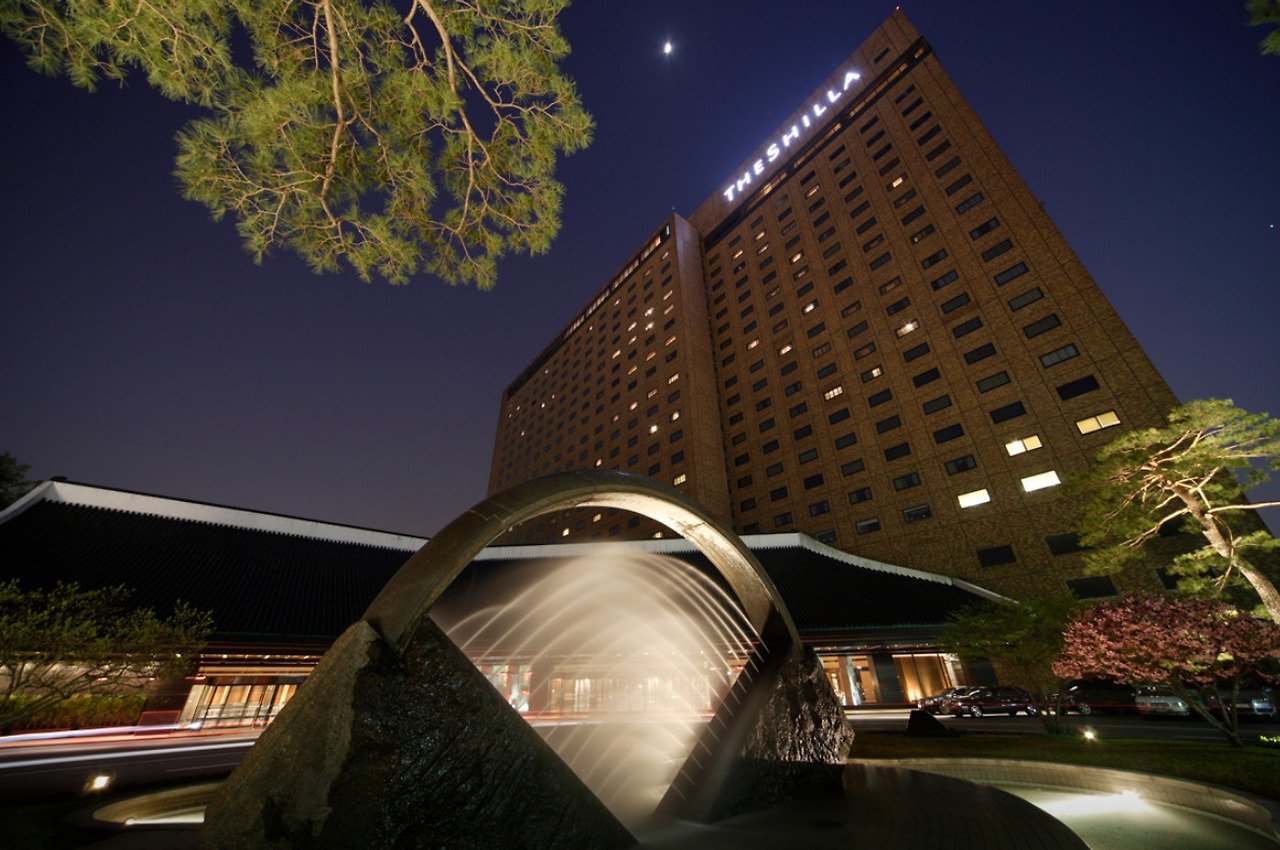
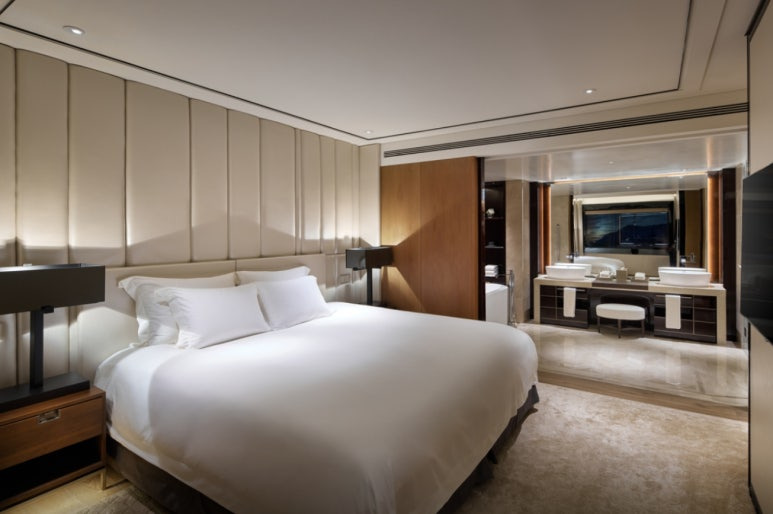
도시 경험이 깊어질수록, 여행에서 ‘안정적인 공간’이 차지하는 비중은 더욱 커진다.
이동과 체험의 밀도가 높아질수록, 그 사이를 지탱하는 기준점이 필요해지기 때문이다.
제니가 언급한 신라호텔은 이러한 균형을 상징적으로 보여주는 장소다.
글로벌 여행자에게 중요한 것은 선택의 다양성보다 ‘신뢰 가능한 기준’이다.
어디서 무엇을 하느냐보다, 언제든 동일한 수준의 휴식과 서비스를 확보할 수 있는지가 경험의 질을 결정한다.
낮에는 도시를 깊이 탐색하고, 밤에는 완전히 회복된 상태로 전환되는 흐름.
이 리듬이 안정적으로 유지될 때, 여행은 하나의 완성도 높은 경험으로 이어진다.
-
As urban experiences become more immersive,
the importance of a stable and reliable space increases.
Jennie mentioned The Shilla Hotel,
which represents this balance.
For global travelers, key factors are
predictability and stability.
Freedom during the day,
and complete rest in a controlled environment at night.
When these two are balanced,
travel becomes more than a schedule — it becomes a complete experience.
지금 여행자들이 묻는 질문
The Question Travelers Are Asking Now
과거에는 이렇게 물었다.
“어디를 가야 하나?”
지금은 이렇게 바뀌었다.
👉 “이 도시에서 어떻게 하루를 보낼 수 있을까”
이 질문의 변화가
서울 관광의 변화를 설명한다.
-
In the past, people asked:
“Where should I go?”
Now, the question has changed:
👉 “How can I spend a day in this city?”
This shift explains everything.
결론 — 서울은 하나의 무대가 되고 있다
Conclusion — Seoul Is Becoming a Stage
서울의 매력은 특정 명소에 있지 않다.
도시 전체에 퍼져 있는 생활의 밀도,
그리고 그 안에서 만들어지는 개인의 경험에 있다.
그래서 지금 서울 여행은 이렇게 정의된다.
👉 도시 전체가 하나의 무대가 되고
👉 여행자는 그 안에서 자신의 하루를 만든다
이제 서울은 더 이상 ‘보는 도시’가 아니다.
직접 들어가 경험해야 이해되는 도시다.
-
Seoul’s appeal is not in a few specific landmarks.
It lies in the density of everyday life
and the personal experiences created within it.
Today, Seoul can be defined like this:
👉 The entire city becomes a stage
👉 And the traveler creates their own story within it
Seoul is no longer a city you simply visit.
It is a city you need to step into and experience to truly understand.


평범한 한국 여행은 이제 그만!
코스모진 홈페이지에서 맞춤형 프리미엄 투어을 만나보세요
__________
Say goodbye to ordinary trips to Korea! Discover your personalized
premium tour on the Cosmojin website.